
Multiply your car's battery size in kWh by the rate you pay per kWh for electricity, and that is the cost of a full charge from empty. Charging at home is usually much cheaper than public fast charging, and an off-peak or EV electricity plan brings the cost down further.
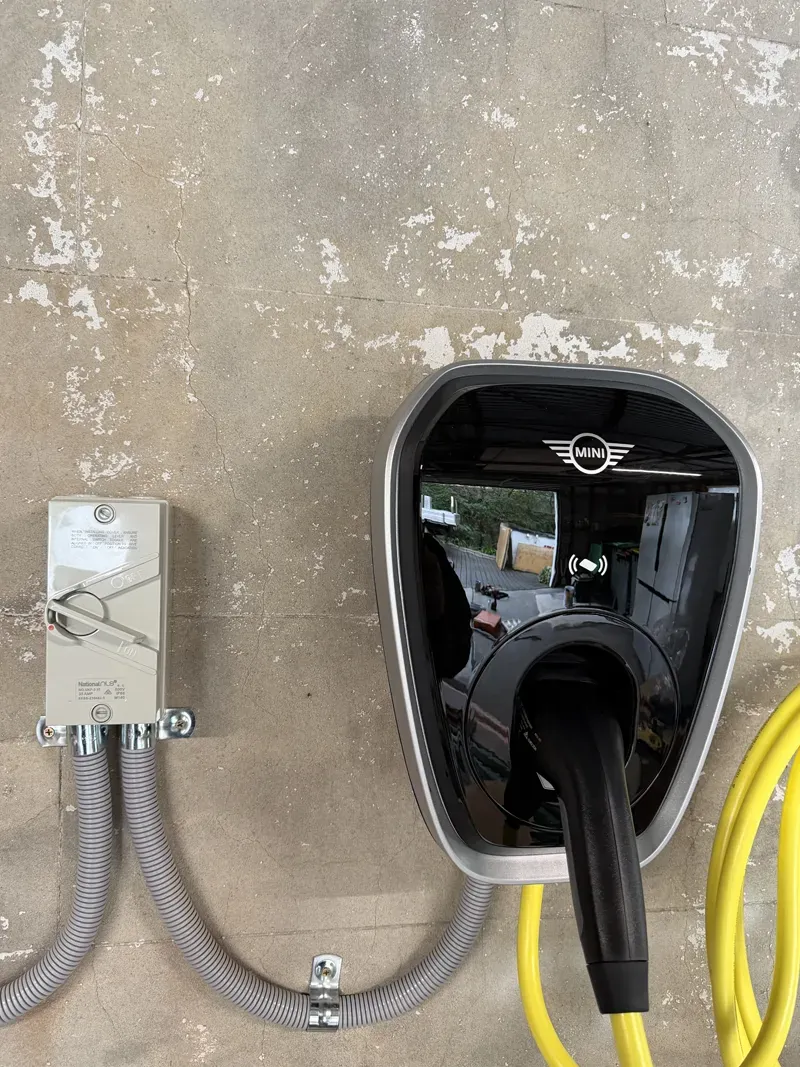
Working out the cost of a full charge
The calculation needs two numbers, and both are easy to find. Your car's battery size is in its specifications, and your rate per kWh is on your electricity bill.
- Battery size: the capacity of your car's battery, in kWh.
- Electricity rate: what you pay for each kWh, shown on your bill.
- Full charge cost: battery size multiplied by your electricity rate.
Most drivers rarely charge from empty, so a typical top-up costs only part of that figure. How far you drive each day decides how much charging adds to your bill.
What changes the cost
- Your electricity plan: your rate per kWh makes the biggest difference. Several retailers offer EV plans with cheaper overnight rates, so compare plans before you start charging at home.
- Where you charge: home charging usually costs less per kWh. Slow AC public chargers, Tesla Superchargers and ultra-fast DC chargers all tend to cost more.
- Solar power: charging during daylight can use your own solar energy and add range for very little, and a solar-compatible charger makes this easier.
Power point or wall charger?
You can charge from a normal household power point using the lead supplied with the car, often called Level 1 charging. It costs the same per kWh but is slow, and a full charge can take more than a day. That suits shorter daily drives. If you drive further each day, a home EV charger is the practical choice. Our page on the types of EV chargers compares the options.
A licensed electrician can check whether your switchboard can support a home charger. For help, see our EV charger installation service.