
In flexible cords, such as appliance leads, the neutral wire is blue. In fixed wiring inside walls and ceilings, a black neutral is commonly found, and older wiring also used black. Because the colours differ, anyone working on the wiring needs to know which colour code applies.
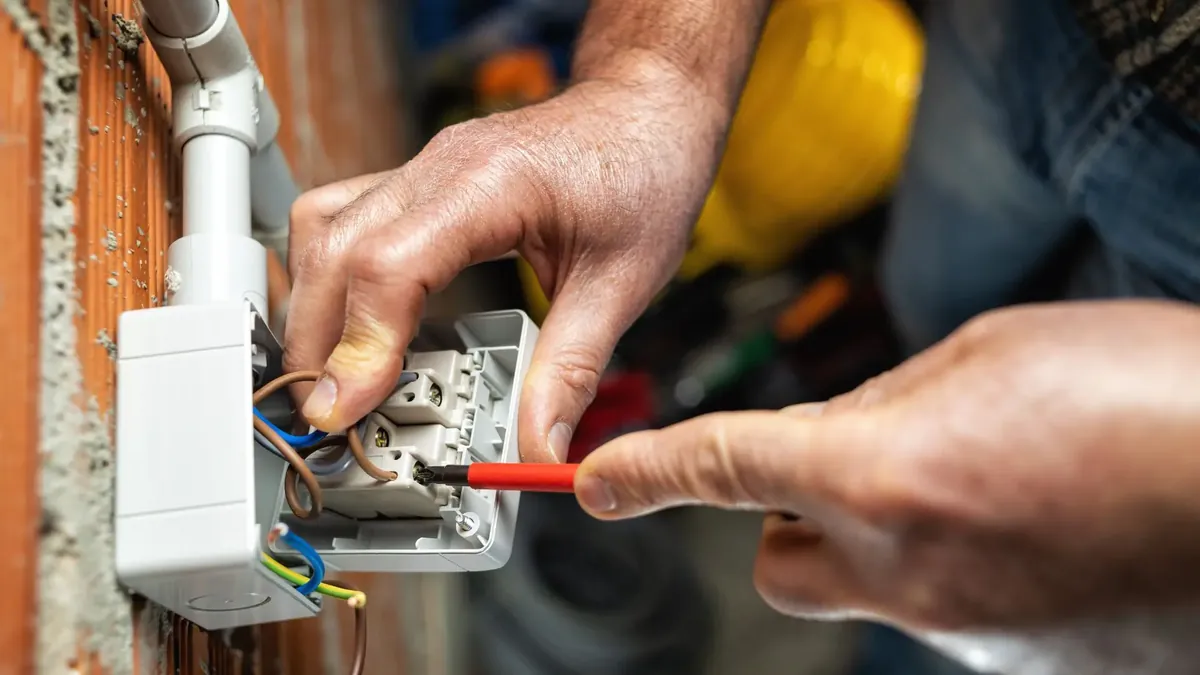
What the neutral wire does
The neutral is one of three wires in a typical circuit, and each has its own job:
- Neutral: carries electricity away from your appliances once it has passed through them.
- Live: brings electricity to the appliance.
- Earth: connects metal casings to the ground, so a surge or fault is carried away safely.
The chance of a shock from the neutral is lower than from the live wire, but electricians still treat it with care, because it is part of a working circuit.
Neutral colours at a glance
The colour depends on whether it is a flexible cord or fixed wiring.
| Wire | Flexible cords | Fixed wiring, commonly found |
|---|---|---|
| Neutral | Blue | Black |
| Live | Brown | Red |
| Earth | Green and yellow | Green and yellow, or plain green in older wiring |
Why colour alone is not enough
Older systems may not use the colours you expect. Each country has its own colour code, and Australia's has changed over the years. Anyone working on wiring needs to know which code applied when it was installed. A black wire, for example, is commonly the neutral in fixed wiring, but in current three phase wiring black is a live phase. Our page on electrical wire colours in Australia covers the full colour code, including three phase wiring.
When to call a licensed electrician
If you are unsure which wire is which, contact a licensed electrician. For help, see our wiring and rewiring service.