
When does a house need rewiring?
A house usually needs rewiring when its wiring is old, damaged or too small for the appliances it now runs. Warning signs include flickering lights, breakers that trip often, warm or discoloured power points, buzzing and unexplained power loss. Cotton-cloth and VIR wiring are both strong reasons to have the wiring assessed.
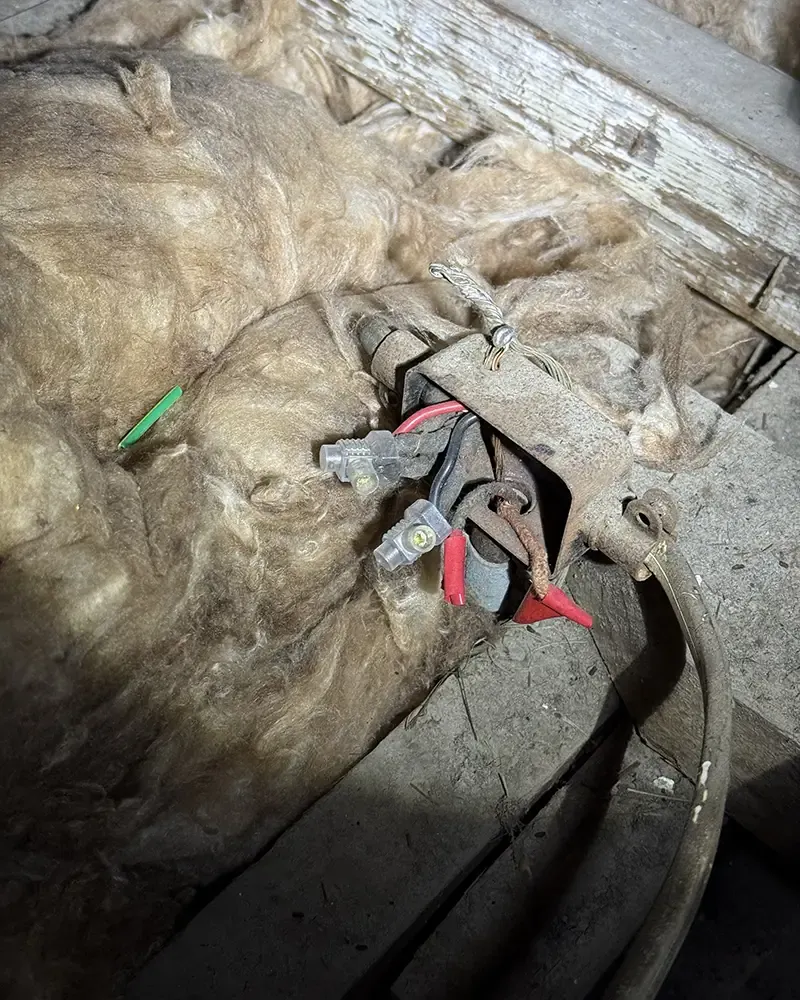
Warning signs your wiring needs attention
Many older homes still rely on wiring that does not meet today's safety standards. As demand for power grows, that wiring can overload and create a risk of fire and electric shock. Watch for:
- Flickering lights, especially when appliances switch on.
- Breakers that trip often, on the same circuit or across several.
- Warm or discoloured power points.
- Buzzing sounds from switches, outlets or the switchboard.
- Unexplained power interruptions.
These signs often point to cables that are deteriorating or circuits that are too small for the load. Small faults can turn into serious hazards if they are left alone, so have them inspected.
Old wiring types to look for
Cotton-cloth wiring
Cotton-cloth wiring was common in older homes but is now considered unsafe. Over time the cloth insulation dries out and breaks down. That can leave conductors exposed and lead to short circuits and electrical fires. It is often hidden behind walls and ceilings. Where it is found, have a licensed electrician assess it and advise whether it needs replacing.
VIR wiring
Vulcanised Indian Rubber, or VIR, wiring is one of the most dangerous types of wiring still found in homes. The insulation turns brittle with age, cracks easily and gives little protection against heat or movement. Where VIR wiring is found, have a licensed electrician assess it promptly and advise on replacement.
Overloaded and undersized circuits
Many older homes were never designed for today's loads from air conditioners, induction cooktops, EV chargers and home entertainment systems. A circuit that is undersized or overloaded can overheat. The insulation can then fail and the fire risk rises. A rewire fixes this with correctly sized cable, better circuit protection and a balanced load across the circuits.
Electrical defect notices
If Ausgrid, Endeavour Energy or Essential Energy has issued an electrical defect notice, urgent wiring repairs or a rewire may be needed to comply. These notices are often issued for unsafe cabling, deteriorated insulation, exposed wiring or a non-compliant switchboard. Some of this work needs a Level 2 electrician, who can also manage the compliance process with the electricity distributor.
What a full house rewire involves
A full rewire replaces all the electrical wiring in the home. It usually also includes a switchboard upgrade, new safety switches and new power circuits throughout. It is common in older homes, in homes being renovated and in homes with known safety risks. The work runs from the first assessment through to the final fit-off.
What changes at the switchboard
A rewire often includes a switchboard upgrade, especially when the old board cannot safely support the new wiring. Outdated fuses are usually replaced with modern circuit breakers and RCBO safety switches, which disconnect the power automatically when a fault occurs. That cuts the risk of fire, electric shock and damage to appliances.
Full rewire or partial rewire?
A partial rewire is sometimes possible. It might replace the wiring on specific circuits, or upgrade high-risk areas such as kitchens and bathrooms. If cotton-cloth or VIR wiring runs right through the house, though, a full rewire is usually the safer long-term choice. An electrician can assess the existing wiring and advise on the practical option.
How long rewiring takes
The time depends on the size and layout of the home. A small unit or a partial rewire may take one to two days. A full rewire of a three or four bedroom home typically takes two to five days. Access, switchboard work and any extra circuits all affect the timeframe.
Living through a rewire
Rewiring involves some disruption, because new cable has to be run through walls and ceilings. Using existing access points where possible keeps the disturbance down. Clear communication through the job helps you plan around the work.
Wiring emergencies
Some wiring faults cannot wait. A burning smell, blown fuses, exposed wiring or a sudden loss of power can all point to a serious fault. In that situation, the priority is to make the home safe, restore power where possible and stop the hazard getting worse.
When to call a licensed electrician
Call a licensed electrician if you notice the warning signs above, if your home has cotton-cloth or VIR wiring, or if you have received a defect notice. Our page on electrical wire colours in Australia explains what the colours in your wiring mean. For help, see our wiring and rewiring service.