
When does a switchboard need upgrading?
A switchboard usually needs upgrading when it is old, still runs ceramic fuses, trips or blows fuses often, or cannot keep up with the appliances in the home. Flickering lights, buzzing from the board and overheating cables are warning signs too. The upgrade is work for a licensed electrician.
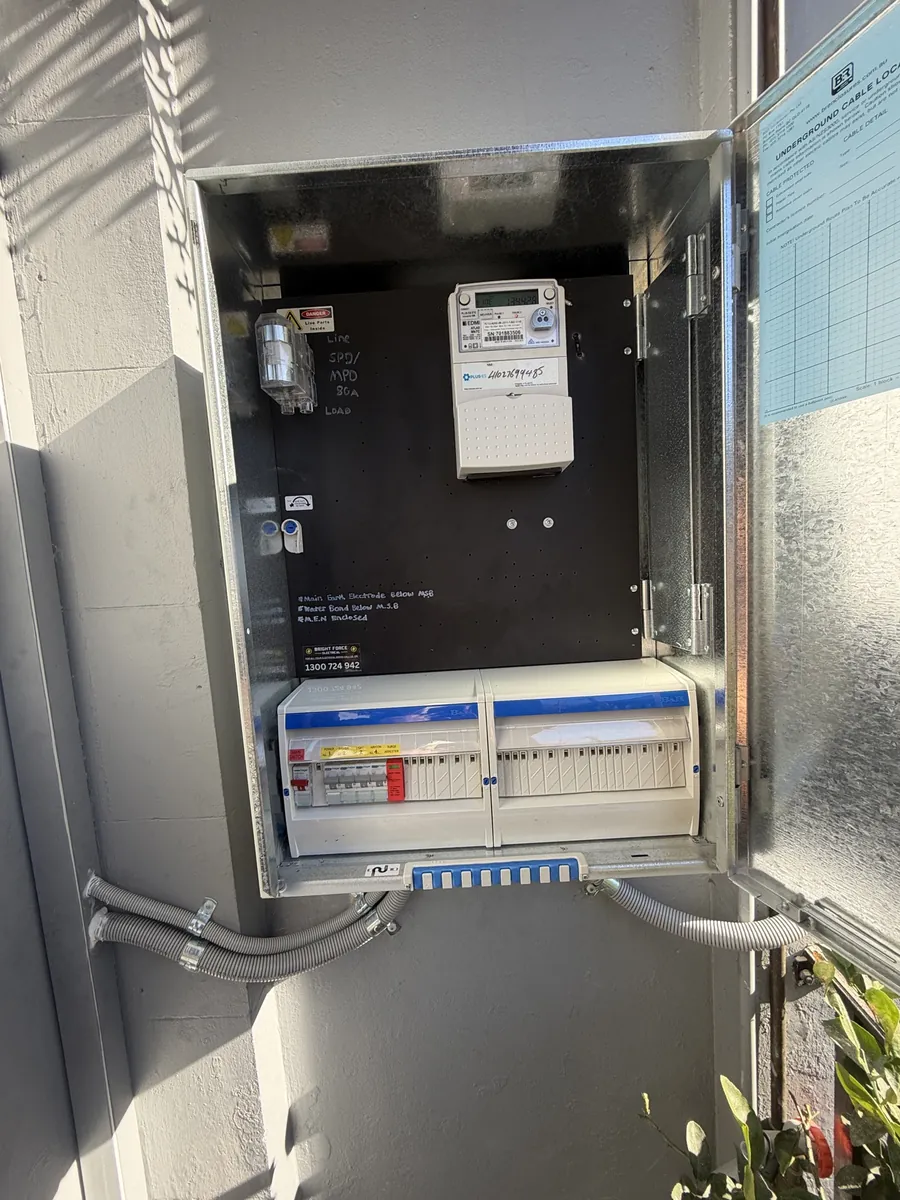
What a switchboard does
The switchboard takes the electricity coming in from the street and sends it to each circuit in the building, and from there to your lights and appliances. It also houses the safety devices that protect the wiring and the people using it.
One of those devices is the safety switch, also called an RCD. It shuts off the supply when it detects a change in the electrical current. The Australian wiring rules, AS/NZS 3000, set the requirements for this protection, and what applies depends on the installation and the work being done.
Signs your switchboard needs an upgrade
Homes now run far more appliances than they used to, and older switchboards were not built for that load. Common reasons to upgrade include:
- Age: the older the switchboard, the more likely it is to cause problems.
- Ceramic fuses: an outdated fuse box with ceramic fuses.
- Frequent trips: circuit breakers that trip more and more often.
- Blown fuses: fuses that blow when several appliances run at once.
- Flickering lights: lights around the house that flicker at random.
- Short circuits: appliances that short circuit often.
- Noise: buzzing or other odd sounds from the switchboard.
- Overheating: cables in the switchboard that overheat and overload.
- New demand: new power points, or larger appliances you plan to add.
- A defect notice: an electrical defect notice from the electricity distributor.
An older switchboard that is overworked raises the risk of electric shock and electrical fires. Upgrading protects the appliances, the building and the people in it.
Why ceramic fuses are a problem
Ceramic fuses, also called porcelain fuses, were widely installed in older Australian homes. A ceramic fuse only cuts the power when its fuse wire overheats from an overload or a short circuit. A switchboard that has never been upgraded may still have them.
They are no longer considered safe because they struggle with modern demand and can crack with age. They also lack the convenience of a circuit breaker that can simply be reset.
A home-made fix makes things worse. People who rewire a fuse themselves often use wire that is too thick, so the fuse no longer protects the cable behind it, and that can start a fire.
Fuses, circuit breakers and safety switches
A switchboard can hold three kinds of safety device, and each protects something different:
- Fuse: breaks the circuit when an appliance draws too much current.
- Circuit breaker: a resettable switch that trips when it detects a higher than usual current. It mainly protects the electrical system.
- Safety switch (RCD): constantly compares the current in the active and neutral wires and cuts the power the moment they are out of balance. It is designed to protect people from electric shock.
Whether RCDs are required depends on the installation and the work being done, and they are strongly recommended for older homes, because they give protection that ceramic fuses and basic circuit breakers cannot. Our page on RCDs and circuit breakers explains the difference in detail.
What happens during a switchboard upgrade
Every upgrade depends on the age of the building and its wiring, but the work generally includes these steps:
- The power to the building is turned off so the work is safe.
- The old protection devices and fuses are removed.
- A new enclosure is installed to hold the new RCDs and circuit breakers.
- Each existing circuit is connected to the new circuit breakers and RCDs.
- The earthing system is inspected to make sure it is still in good condition.
- A series of electrical tests is carried out to confirm everything works correctly.
Extra work some upgrades need
Asbestos panels
Older switchboards were sometimes built on an asbestos panel. Asbestos is a hazardous material. Electrical contractors must not disturb the integrity of an existing switchboard panel that may contain asbestos without taking suitable precautions.
Consumer mains
The consumer mains connect the street supply to the building, through overhead lines or underground cables. Older homes often have smaller consumer mains that may not cope if you add air conditioning, cooking appliances or a pool pump. If the distributor finds a fault in them, it can issue an electrical defect notice.
Three phase switchboards
A three phase switchboard suits a property with high electricity demand. It is common in commercial buildings and is sometimes installed in larger homes, for example those with several air conditioning units or a granny flat.
When to call a licensed electrician
Call a licensed electrician if you notice any of the signs above, if you still have ceramic fuses, or if you have received a defect notice. If a safety switch keeps cutting out, see why a safety switch keeps tripping. For help, see our switchboard upgrade service.