
A smoke alarm that sounds with no smoke or fire has a problem with the detector or with where it sits. The usual causes are a low battery, steam or cooking nearby, dust, something caught inside the alarm, fumes from paint or chemicals, or an alarm at the end of its life.
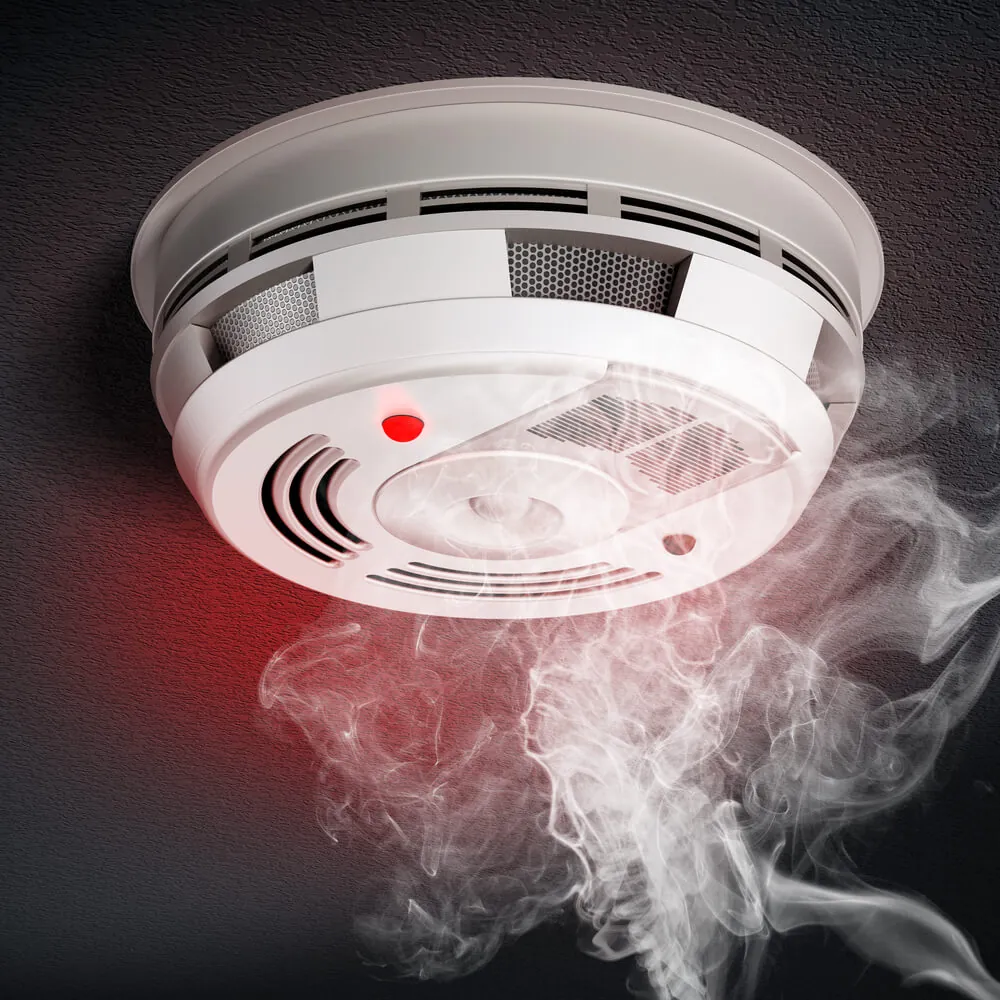
What sets a smoke alarm off
Most false alarms come from one of six causes.
- Low battery
- Steam or cooking fumes
- Paint or chemical fumes
- An obstruction inside
- Dirt and dust
- End of life
A low or defective battery can make the alarm sound when it should not. An alarm fitted too close to a kitchen or bathroom reacts to shower steam and to food cooking on the stove.
Paint and other chemical treatments release volatile organic compounds, which can interfere with the detector. Inside the alarm, a battery pull tab left in place, debris or insects can stop it working properly.
Dirt disrupts the sensors, inside and out. An alarm that is prone to dust or moisture where it sits may need moving. Most household smoke alarms last 10 years, and an alarm at the end of its life often sounds to tell you so.
How to stop it
- Replace the battery.
- Reset the alarm, following its manual.
- Clean the inside and the outside.
- Remove anything caught inside.
If the alarm keeps sounding after those steps, or it has passed its replacement date, contact a licensed electrician. Our page on the types of smoke alarms explains your options, and our smoke alarm installation service covers replacement.