
According to CHOICE, Australian rules require at least 650mm between the highest part of a gas burner and the underside of the rangehood. For a ceramic or induction cooktop, the minimum is generally 600mm. The manufacturer's instructions may ask for more, and then the larger clearance applies.
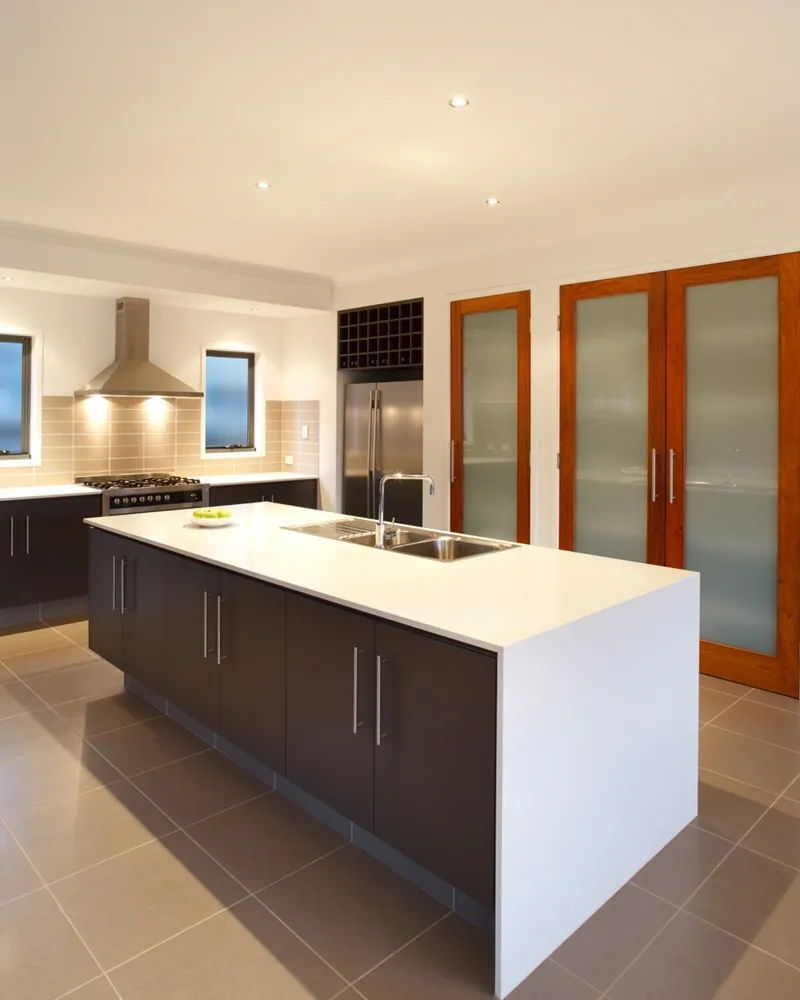
Why the clearance matters
Strict clearance rules apply between rangehoods and cooktops in Australia, and they set the lowest point the rangehood can sit. The figure depends on the type of cooktop below it, with a gas cooktop needing more room than a ceramic or induction one. Every rangehood also has to be installed to its manufacturer's instructions as well as the Australian Standards, so check the installation guide for your model before the cabinets or the bulkhead are built around it.
The height is only one part of planning a rangehood that works well in your kitchen. CHOICE says a rangehood should be ducted to the outside where that is possible, and if a rangehood is installed in a new home it must be ducted. When you plan the height, plan the duct path at the same time, because the duct has to reach the outside through the ceiling or a wall. A few points from CHOICE help it work efficiently:
- the shortest run outside
- few bends
- rigid steel duct
- a sealed outside cap
- no ending in the roof cavity
A ducted rangehood is trickier to install and generally needs a licensed tradesperson, so the height and ducting are worth settling with them early. Our page on ducted and recirculating rangehoods explains the choice, and for help with the electrical side and the install, see our rangehood installation service.