
What do you need to know before installing a rangehood?
The most important decision is whether the rangehood will be ducted to the outside or recirculating. The two differ in how they are installed, what they cost to run and how well they clear the air. The installation must also follow the manufacturer's instructions and the Australian Standards, including clearance rules above the cooktop.
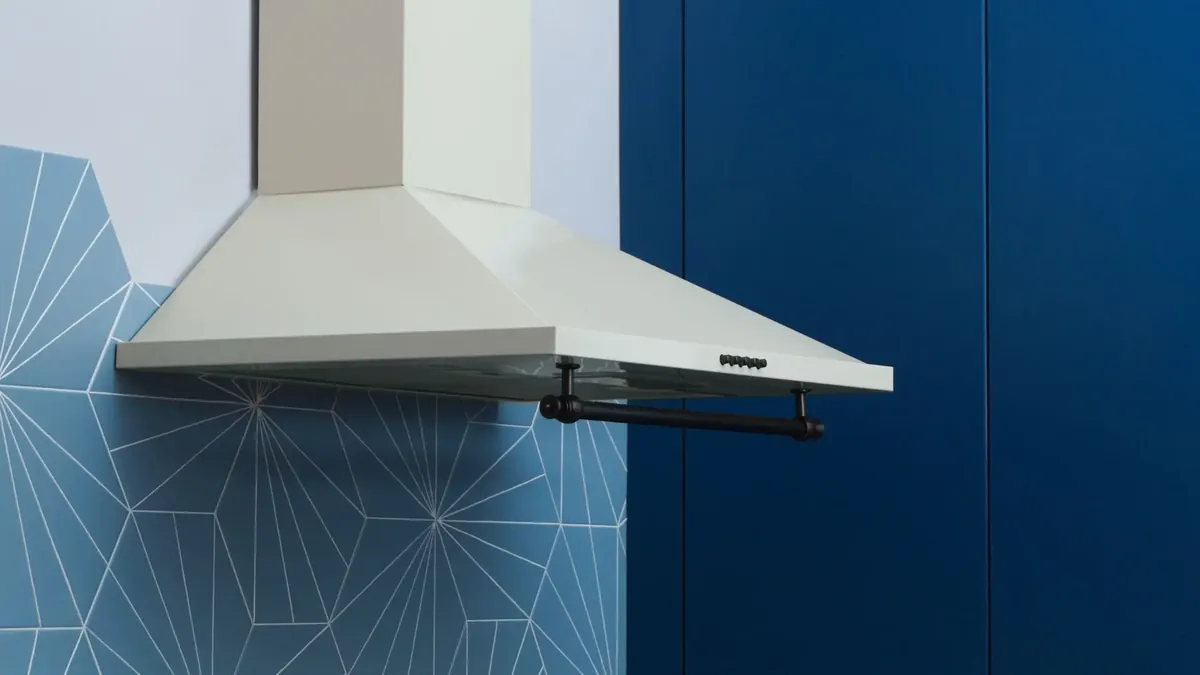
What a rangehood does
A rangehood removes the airborne grease produced when you cook. A good one also clears steam, smoke and smells from the kitchen, either by ducting the air outside or by filtering it and sending it back into the room. Doing that without too much noise is a bonus.
The base rangehood is often the same product either way. Consumer group CHOICE tests each rangehood twice, once in ducted mode and once in recirculating mode, because the two modes work in very different ways.
Ducted and recirculating rangehoods
Ducted
A ducted rangehood has ducting installed to vent the cooking fumes outside the home. CHOICE describes it as the most effective way to use a rangehood, because it removes smoke, steam, grease, odours and other contaminants from the kitchen.
Ducting is not always an option. It can be costly if the cooktop is not on an external wall, or if the ceiling cannot easily be ducted outside. Many older apartments are not suited to ducting at all.
Recirculating
A recirculating rangehood does not vent outside. It pulls the cooking fumes through carbon filters, also called charcoal filters, and puts the filtered air back into the kitchen. These are separate from the metal grease filters that every rangehood has.
Our page on ducted and recirculating rangehoods compares the two in detail.
Why ducting is worth planning for
If you are renovating and external ducting is possible, CHOICE advises aiming for a ducted rangehood. The benefits it lists are:
- Air quality: a ducted rangehood removes grease particles, smoke and other irritants, which matters for people with asthma and homes with young children.
- Performance: it is generally better at removing odours, steam and moisture, which means less condensation on windows, walls and cabinets.
- Running costs: there are no charcoal filters to keep buying, although the grease filters still need regular cleaning.
Recirculating rangehoods still have a place where ducting is not possible. They are generally easier to install, but CHOICE found their filters lose effectiveness over time, and grease the filter misses can spread across the kitchen cabinets.
Filters and maintenance
Grease filters on any rangehood need regular cleaning. A mild detergent and hot soapy water usually does the job, but check the manufacturer's instructions first. The less grease in the filter, the better the airflow.
Charcoal filters in a recirculating rangehood cannot usually be washed or reused. Manufacturers generally recommend replacing them every three to six months. A build up of steam and fumes while you cook is a sign they are due. CHOICE also found replacement filters can be hard to find, because they tend to be brand specific, so note the filter model number for next time.
Installation requirements
A rangehood must be installed to the manufacturer's instructions and to the relevant Australian Standards. Strict clearance rules apply between the rangehood and the cooktop, and they differ for gas and electric cooktops. Our page on how high a rangehood should be covers the clearances.
The National Construction Code does not currently require a rangehood in a standard new home. If one is installed, though, it must be ducted. A ducted rangehood is trickier to install and generally needs a licensed tradesperson.
Getting the ducting right
CHOICE lists a few points to follow when a rangehood is ducted:
- The ducting must go outside your home, through the ceiling or a wall. It should not end in the roof cavity, where cooking fumes would build up.
- Keep bends to a minimum and use the shortest run to the outdoors, so the rangehood works efficiently.
- Choose rigid steel ducting over flexible aluminium ducting, so the installation lasts.
- Seal the outside end of the ducting with a cap, so nothing gets into the duct.
When to call a professional
Because a ducted rangehood generally needs a licensed tradesperson, plan the ducting and power supply with one before the kitchen goes in. For help, see our rangehood installation service.