
Why does a light switch stop working?
A light switch usually fails for one of four reasons: an old dimmer that does not suit LED lights, a switch that was not wired properly, an old switch that has worn out, or a switch that runs warm and buzzes. Some causes are simple to fix, but others point to a wiring fault that needs a licensed electrician.
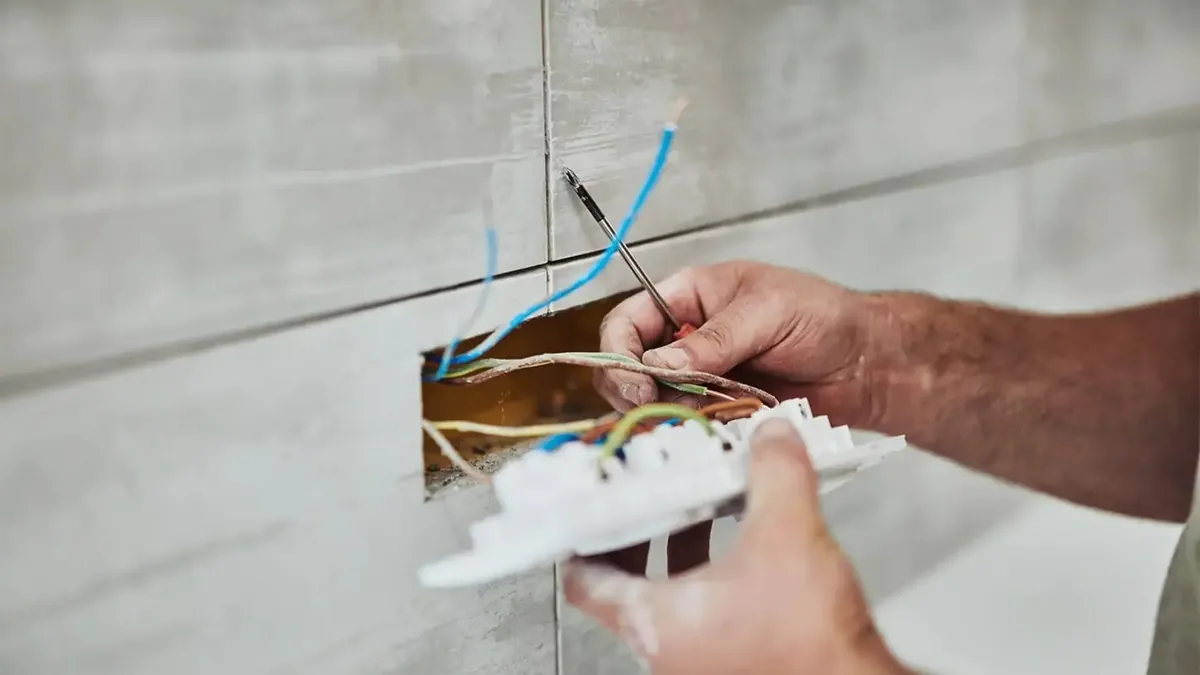
Four common reasons a light switch fails
When a switch stops working, the problem can be in the light itself or in the wiring behind the switch. The usual causes are:
- An outdated dimmer: older dimmers designed for incandescent globes make LED lights flicker.
- Poor wiring: the connections at the switch were not made properly.
- Age: an old switch has simply worn out.
- Heat and noise: a switch that runs warm or buzzes has a problem that needs attention.
Outdated dimmers and flickering LEDs
LED lights on a dimmer can start to flicker over time. The usual cause is a conventional dimmer that was designed for standard incandescent globes. The fix is to change the parts that do not match: fit LED globes made for dimming, or better, replace the old dimmer with a switch designed for LED lights. Dimmable LEDs on the right dimmer stop the flicker.
Wall switches that control ceiling lights
How the light behaves tells you where to look. If the globe flickers and the switch buzzes, the contacts inside the switch may be breaking down, and the switch needs replacing. The connection at the switch can also be the problem, which is a job for an electrician.
If the light does not come on at all, the globe may be burnt out or loose in its socket, or the switch may be loosely connected. If the fault is in the wiring, or the circuit breaker is not working, call an electrician.
Overloaded and worn-out switches
A switch can stop working when the circuit it controls is overloaded. An old, deteriorated switch can itself be the cause of that overload. Replacing the switch is the usual fix, and with the power off it is a quick job for a licensed electrician.
Hot and noisy switches
Dimmer switches often feel warm, because they reduce the current to the lights and give off the heat that creates. A faceplate that becomes hot, rather than warm, is a problem to deal with before it leads to more trouble. Options include a larger faceplate to carry heat away, removing insulation packed behind the dimmer, and using lower wattage globes.
A buzzing switch usually comes from too much wattage on the dimmer. Globes with shorter filaments can stop the buzz, and dimmable LED globes are both quieter and more energy efficient. Lower wattage globes also help where the lights are often dimmed.
The dangers of a broken light switch
A broken switch can be more dangerous than it looks. Left alone, it can lead to:
- Electric shock: when wiring wears and the earthing weakens, electricity can reach the switch itself, so touching it can give a shock.
- Fire: broken or exposed wires in the switch can spark or let heat escape, and materials near the switch can ignite.
- Burns: touching a live connection, or an overheated faceplate, can cause a burn.
When to replace rather than repair
Replace the switch when the contacts are breaking down, when it has worn out with age, or when a dimmer does not suit the lights it controls. Our page on the types of lighting explains which globes suit dimming.
When to call a licensed electrician
Call a licensed electrician for any switch that is hot, buzzing, loosely connected or suspected of a wiring fault. Replacing a switch is electrical work, as our page on whether you can replace a light switch yourself explains. For help, see our light fitting installation service.