
What is controlled load?
Controlled load is a separately metered supply in your home, usually feeding an electric hot water system. The electricity network switches it on during set windows, not around the clock, and that energy is charged at a lower rate than general usage.
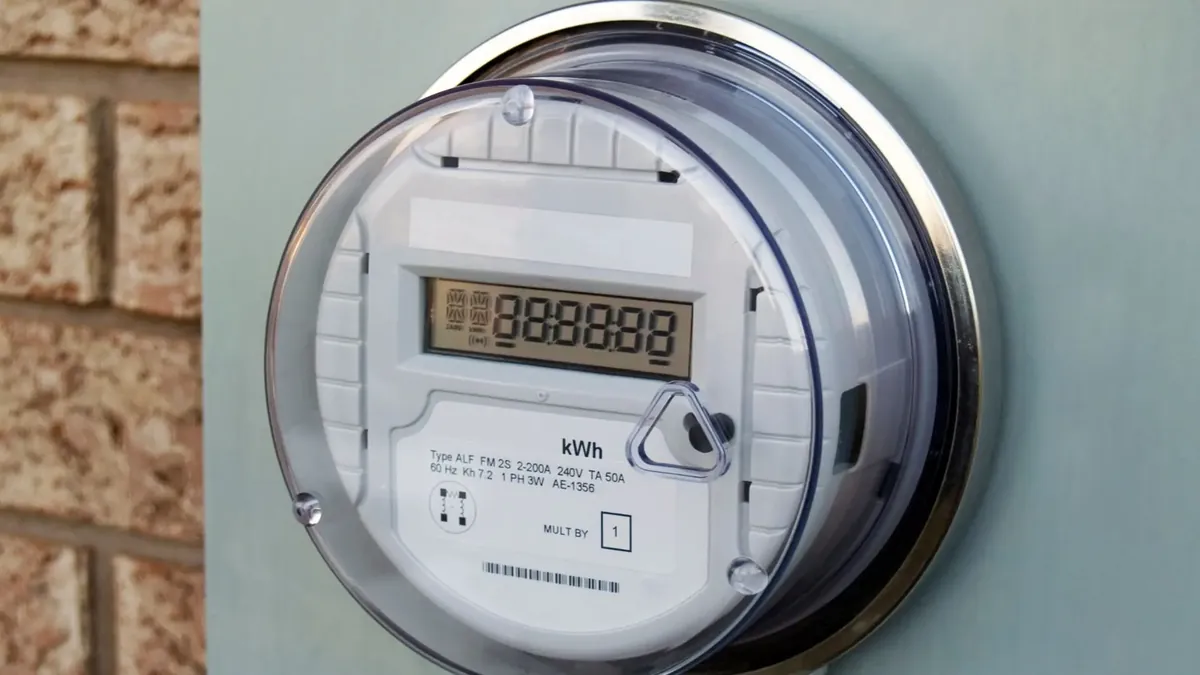
How controlled load works
A normal circuit is live whenever your home is. A controlled load circuit is different in three ways:
- Wired separately: it has its own circuit at the switchboard.
- Metered separately: it is recorded on its own meter register.
- Switched by the network: it is energised on the network's schedule, not yours.
A hot water tank does not need to heat at a particular time. It only needs the water to be hot when you use it, so handing the timing to the network costs nothing in comfort.
If your bill shows a line called controlled load, dedicated circuit or off peak hot water, you already have one.
Controlled load 1 and controlled load 2
The two classes trade hours of supply for price.
| Controlled load 1 | Controlled load 2 | |
|---|---|---|
| Supply | Fewer hours, the classic overnight product | More hours, including daytime windows |
| Suits | Large storage tanks that heat once a day | Smaller tanks and appliances that need a top up during the day |
| Rate | The lower of the two | A little higher, still under general usage rates |
Which class your home has, and what it costs, is on your plan fact sheet. The structure underneath comes from your distributor, so nearby suburbs can have different arrangements.
Why some tanks now heat during the day
The old logic was that the grid was quiet overnight, so cheap energy was found there. With so much rooftop solar now feeding in at midday, networks increasingly schedule controlled load in daylight windows to soak it up. For the household, nothing changes.
What suits controlled load
The ideal appliance stores its work. Electric storage hot water is the standard example, and heat pump hot water systems can run on it too. Pool pumps suit it in some setups.
Anything you need on demand does not belong on it, such as cooking, lighting or general power.
The electrical side
Adding or changing controlled load is a two part job. The tariff and metering go through your electricity retailer. The circuit side happens at the switchboard: a dedicated circuit for the tank or appliance, kept separate from general power.
If an off-peak system is not heating, our guide to electric hot water faults covers the usual causes.