
Why has my electric hot water system stopped working?
An electric hot water system usually stops heating because of a failed heating element, a faulty thermostat, a tripped circuit breaker, an off-peak supply problem or a wiring fault. Many of these are electrical faults, so they can often be repaired without replacing the whole unit.
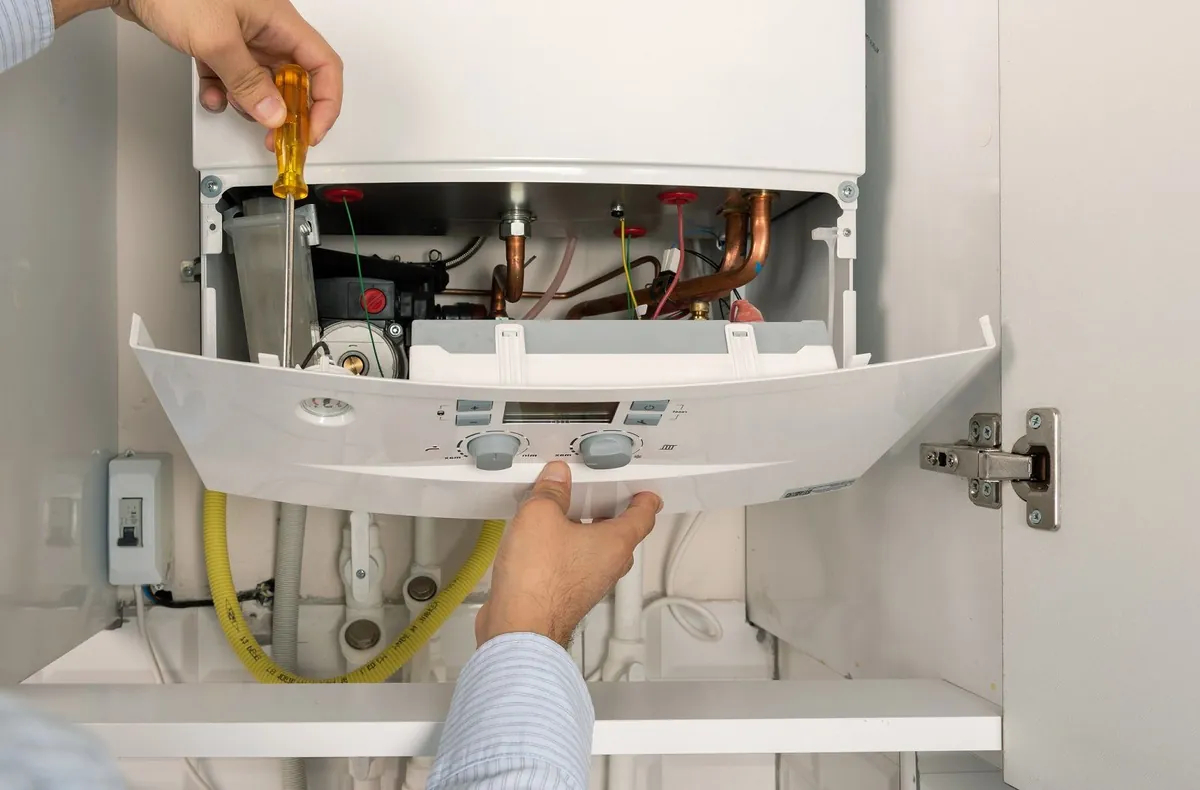
The common electrical faults
Electric hot water systems develop electrical faults over time, especially as parts age or the demand for power grows. The usual ones are:
- A failed heating element: no hot water, or water that never gets hot enough.
- A faulty thermostat: water that is too cold, too hot or inconsistent.
- A tripped circuit breaker: the power to the unit has cut out.
- A tripping safety switch: the circuit keeps cutting out.
- A supply fault: the electricity is not reaching the system as it should.
Heating element faults
The heating element is one of the parts most likely to fail. When an element burns out or loses efficiency, the system may produce no hot water at all, or struggle to reach temperature.
An electrician tests the element and repairs or replaces it. In many cases a new element restores the hot water, and the tank itself stays.
Thermostat faults
A faulty thermostat can leave the water too cold, far too hot, or different from one hour to the next. That affects comfort, and it can also push up energy use and put extra strain on the system.
The fix is to diagnose the thermostat properly and replace the failed part, so the system runs safely and within its recommended temperature limits.
When the hot water circuit keeps tripping
A hot water circuit that repeatedly trips a circuit breaker or a safety switch usually has an underlying electrical fault. Common causes are:
- a failing heating element
- insulation breaking down
- moisture getting in
- a wiring problem within the circuit
Finding the cause takes fault finding and electrical testing. Older or undersized circuit breakers may also not give enough protection for a modern system, so the switchboard and the hot water circuit are worth checking at the same time.
Off-peak hot water problems
An off-peak system can fail to heat overnight, or heat unevenly, because of a fault with a timer, the controlled load circuit or the power supply. Our page on controlled load and off-peak hot water explains how that supply works.
Timers and solar
A system that works well can still be given more control over when it heats. A timer or contactor fitted at the switchboard lets the tank heat during the day, which suits homes that want to use their own solar power.
Electrician or plumber?
If the water is cold or not heating, start with the electrical side: the circuit breaker, the thermostat, the heating element and the power supply. Many hot water problems are electrical, not plumbing.
Some parts belong to a plumber. A tempering valve regulates the water temperature to prevent scalding, and testing, repairing or replacing one is work for a licensed plumber.
Repair or replace?
A repair is often possible when the fault is in the thermostat or the heating element. Replacement is worth considering when the system is old, leaking, making strange noises or delivering inconsistent hot water.
For help with a fault, see our hot water repairs and replacement service.