
What is involved in installing a power point?
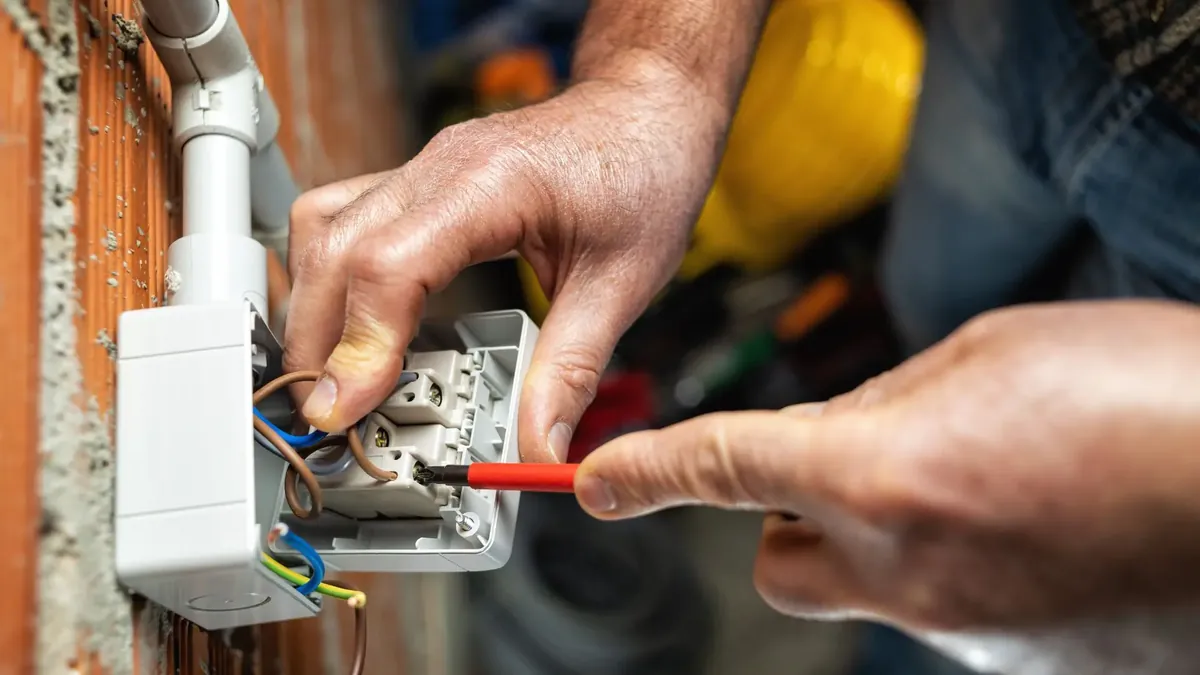
A power point is installed by a licensed electrician, who turns off the power, runs or connects the wiring, fits the new outlet and plate, then tests it before the power goes back on. The cost of the job depends on the type of outlet, how many are installed and where they go.
Types of power point
Different outlets suit different places, and a home usually has a mix of them.
- Single power point: one socket. Common in older homes and in rooms where only one appliance is used, such as a laundry. Many are upgraded to doubles as homes run more appliances.
- Double power point: two sockets on the same size plate as a single. Now the usual choice, because two appliances can share one outlet.
- USB power point: a double outlet with a USB port as well, so a phone can charge while a kettle and toaster are plugged in. They can replace an existing double outlet easily.
- Smart power point: an outlet controlled from a phone or smart device, so appliances can be turned on and off from anywhere. Often used for festive lights, air conditioners, coffee machines, lights and outdoor appliances.
Our page on the types of power points covers outdoor and high-current outlets as well.
How a power point is installed
The main steps a licensed electrician follows are:
- Disconnect the power to the building, or at least to the circuit the outlet is on.
- Check with a voltage tester that the wires are not live.
- Remove the existing outlet and wall plate. For a new location, the wiring behind the wall is run to where the new outlet will go.
- Connect each wire, including the neutral and earth, to the correct point on the new outlet.
- Screw the new plate to the wall.
- Carry out a safety check before the power is turned back on.
What changes the cost
Every job is quoted on its own, and a few things move the price:
- How many outlets: installing one outlet on its own usually costs more per outlet than several in one visit.
- The type of outlet: smart and other advanced outlets cost more than simple single and double sockets.
- Where they go: a new location that needs new wiring costs more than replacing an outlet in place.
- How hard the job is: access and the condition of the existing wiring both matter.
Having several outlets installed, or combining the work with other electrical jobs, is usually the more efficient option.
Why a licensed electrician does the work
Installing a power point involves working on your home's wiring, so a certified electrician does the job. That keeps the home and the people in it safe from electrical hazards and prevents problems later. If you have appliances that draw more power, such as a workshop machine or a plug-in air conditioner, see our page on 15 amp power points.
When to call a licensed electrician
Call a licensed electrician to add, move or replace any power point. For help, see our power point installation service.